
Kyndof Raises 2.6 Billion Won Seed Round for Its K-Pop Brand House
Kyndof, the K-pop fashion brand house behind 2000Atelier and 2000Archives, raised a 2.6 billion won seed round led by Bluepoint Partners to upgrade its design and manufacturing base.
Kyndof, a K-pop fashion brand house startup, said on the 17th that it had raised a 2.6 billion won seed round. The round was led by Bluepoint Partners, with Murex Partners, Base Ventures and the Incheon Center for Creative Economy and Innovation-The Invention Lab joining.
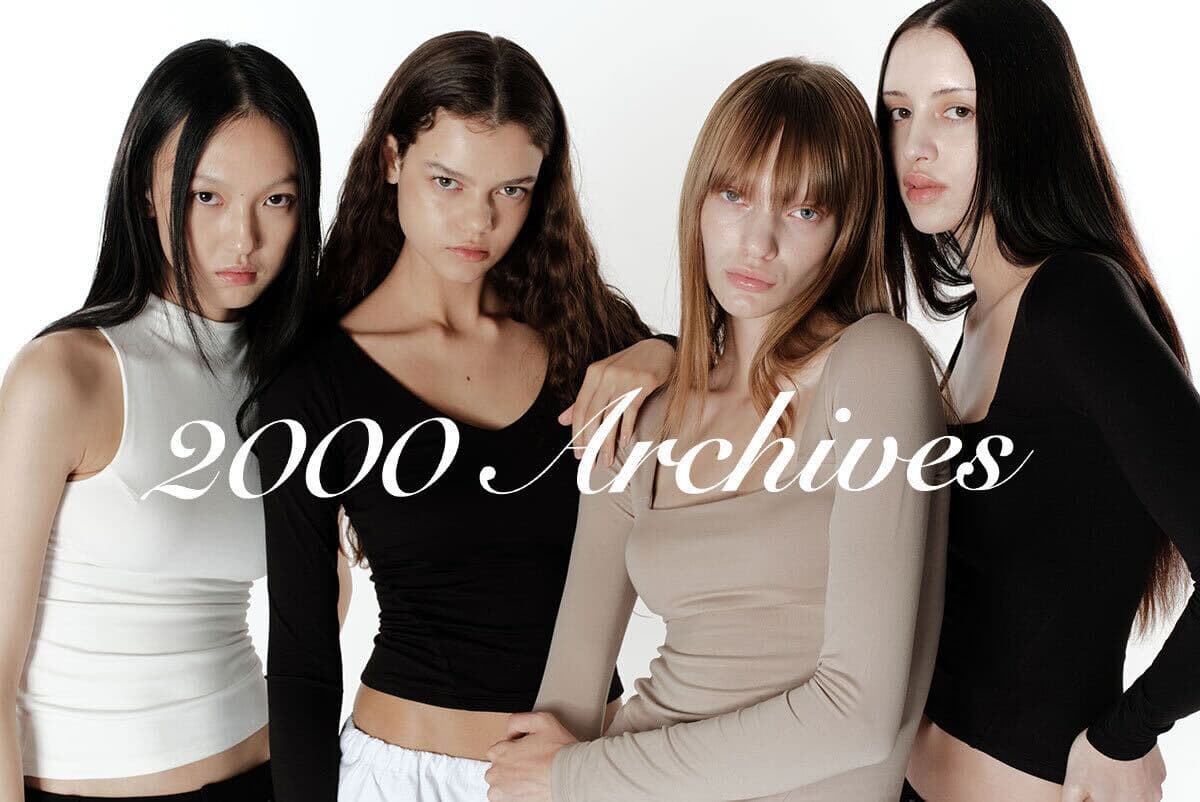
Kyndof runs 2000Atelier, which produces stage costumes for K-pop artists, and 2000Archives, a B2C fashion brand built on that business. It has made stage outfits not only for major Korean groups such as Blackpink, aespa, Le Sserafim and IVE but also for artists in the United States, Europe and Japan. The company said short production schedules and high-quality manufacturing are lifting its repeat order rate.
With a structure that exposes its brands through stage costumes, Kyndof turned a profit in 2023, its first year in business, and has since sustained average annual sales growth of more than double. Overseas sales account for more than 30% of revenue.
The company is building scalability by bringing data analysis, operational optimization and AI-based design automation into a fashion industry structure centered on creative work. Chief executive Kim Seon-bin is building the data-based operating system, and creative director Hong Da-eun is a graduate of Central Saint Martins in the United Kingdom.
Ryu Go-eun, the senior investment manager at Bluepoint Partners who led the round, said, “Kyndof is building a singular model that converts K-pop, a global cultural asset, into revenue,” adding that the company “will drive structural innovation in the fashion industry by combining a data-based operating system with AI.”
Kyndof will use the proceeds to upgrade its design and manufacturing infrastructure under a “fast haute couture” concept, a step toward a production system optimized for the stage costume market, which demands short lead times and a high level of finish. Kim said, “This is the moment to extend the competitiveness Korea has secured in content industries into brands,” adding that the company “will complete a brand house model that supports a range of K-lifestyle brands with vertically integrated infrastructure.”
Based on reporting by Money Today
External Source
This page summarises coverage published elsewhere. The original article is on the publisher’s site.